
Tunisia stands as one of the most captivating destinations in North Africa, offering a truly unique blend of Mediterranean flair, deep-rooted Arab traditions, and thousands of years of ancient history. From the golden sandy beaches of Hammamet to the otherworldly dunes of the Sahara Desert, this country promises experiences that leave an indelible mark on every traveler’s memory. At Lia’s Travel, we have prepared a comprehensive guide to help you organize your next journey with confidence, safety, and inspiration.
Top Attractions: What to See in Tunisia
Tunisia is a land of immense historical depth. While the options for sightseeing are nearly endless, certain landmarks are considered iconic and essential to understanding the country’s multifaceted identity.
The Medina of Tunis and Ancient Carthage
The capital city, Tunis, is home to one of the most impressive Medinas (old cities) in the Islamic world, which has been designated a UNESCO World Heritage site. As you wander through its narrow, winding alleys, you will discover traditional workshops, hidden palaces, and the vibrant pulse of the local market. The air is filled with the scent of spices and jasmine, offering a sensory journey back in time.
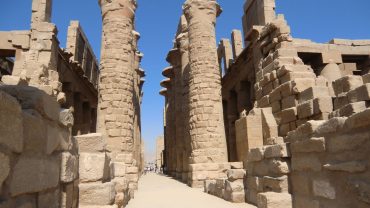
Just a short distance from the city center lies the world-renowned archaeological site of Carthage. Although the ruins visible today are primarily Roman, the energy of this site—which once served as the seat of a Phoenician empire that dominated the Mediterranean—is absolutely captivating. Walking among the Antonine Baths and the ancient ports provides a profound connection to the ancient world.
Sidi Bou Said: The Blue and White Jewel
Perched high on a cliff overlooking the Gulf of Tunis, Sidi Bou Said is perhaps the most photographed village in the country. Known for its characteristic white houses adorned with striking blue doors and ornate window lattices, it bears a strong resemblance to a Greek island village but with a distinct Andalusian influence. Visitors should take the time to enjoy a traditional mint tea with pine nuts at the famous Café des Nattes, while soaking in the panoramic views of the turquoise sea below.
The Roman Amphitheater of El Jem
Located in the heart of the country, the Amphitheater of El Jem is one of the best-preserved Roman monuments in the world and the largest of its kind in Africa. Its sheer scale and state of preservation are so impressive that it is frequently compared to the Colosseum in Rome. The experience of walking through the tiered seating and exploring the underground chambers—where gladiators and wild animals once waited—is a breathtaking highlight for any history enthusiast.
The Sahara Desert and the Gateway of Douz
No trip to Tunisia is truly complete without a venture into the vast Sahara. Douz, often referred to as the “Gateway to the Desert,” serves as the ideal starting point for camel treks or exhilarating 4×4 safaris. The landscape changes from rocky plains to towering golden dunes as you head south.
For film buffs, a detour to Matmata is essential. Here, you will find unique troglodyte (underground) houses carved directly into the rock. These surreal dwellings gained international fame when they were used as the setting for the planet Tatooine in the Star Wars films. Staying overnight in a troglodyte hotel offers a glimpse into a traditional Berber way of life that has survived for centuries.
When to Go: Finding the Ideal Season
The best time to visit Tunisia depends largely on your planned activities, but there are some general guidelines to help you choose the right window for your trip:
- Spring (March – May): Widely considered the best time to visit. The weather is pleasantly warm, the landscapes are surprisingly green and blooming, and temperatures are perfect for exploring archaeological sites and the desert without the intense heat.
- Autumn (September – November): Another excellent period. The scorching summer heat begins to fade, but the Mediterranean waters remain warm enough for swimming in coastal areas like Djerba.
- Summer (June – August): This is the peak season for beach resorts in Hammamet or Sousse. However, be aware that temperatures in the interior of the country and the Sahara can become dangerously high, making sightseeing difficult.
- Winter (December – February): A great time for those focusing exclusively on the Sahara, as the days are clear and cool. However, desert nights can be freezing, and the northern parts of the country may experience rain and chilly winds.
Traveler’s Essentials: Practical Advice and Safety
Tunisia is a welcoming and hospitable country, but as with any travel outside of Europe, following a few local norms and practical tips will ensure your experience is smooth and enjoyable.
Respecting Local Culture
While Tunisia is one of the most progressive and liberal countries in the Arab world, respecting local traditions remains vital. When visiting religious sites or rural, non-tourist areas, it is recommended to dress modestly by ensuring your shoulders and knees are covered. This gesture of respect is always appreciated by the locals.
The Art of Bargaining
In the souks (traditional markets), bargaining is not just a way to get a better price; it is a fundamental part of the culture and a social interaction. Never accept the first price offered. Approach the process with a smile and a friendly attitude; you will find that it is a fun way to communicate with local vendors and bring home a piece of Tunisian craftsmanship at a fair price.
Health and Hydration
It is strongly advised to drink only bottled water and to avoid ice cubes in your drinks when at smaller, local establishments. Additionally, it is a good idea to carry basic stomach medication, as the local cuisine is rich in olive oil and flavorful spices (like the spicy Harissa) which may take some time for your system to adjust to.
Transportation Tips
For getting around within cities, the yellow taxis are very affordable. Always ensure the driver switches on the meter (“compteur”) before starting the journey. For traveling between cities, “louages” (shared white vans with a specific colored stripe) are a popular, fast, and very cost-effective way to travel like a local.
Tunisia is a destination that will surprise you with its incredible diversity. Whether you are seeking the tranquility of the Mediterranean coast or the rugged adventure of the deep desert, this corner of Africa is waiting to be discovered. Trust Lia’s Travel to help you craft an experience that perfectly balances quality, comfort, and authentic exploration!
Ready for your next trip?
Lia’s Travel designs your dream journey — organised tours or fully personalised travel.
Things to do there
Optional tours, tickets and activities you can book for your days there. We arrange the trip — these you choose yourself.


Activities, experiences and local guides — book ahead and keep your days free of queues.
These activities are provided and sold by our partners. You complete the booking on their page, at exactly the same price.

Comment (0)